Planet-friendly school meals
Dubai Care’s Barbara Bedike makes the case for climate-conscious investment in community nutrition
Thursday, 05 March 2026
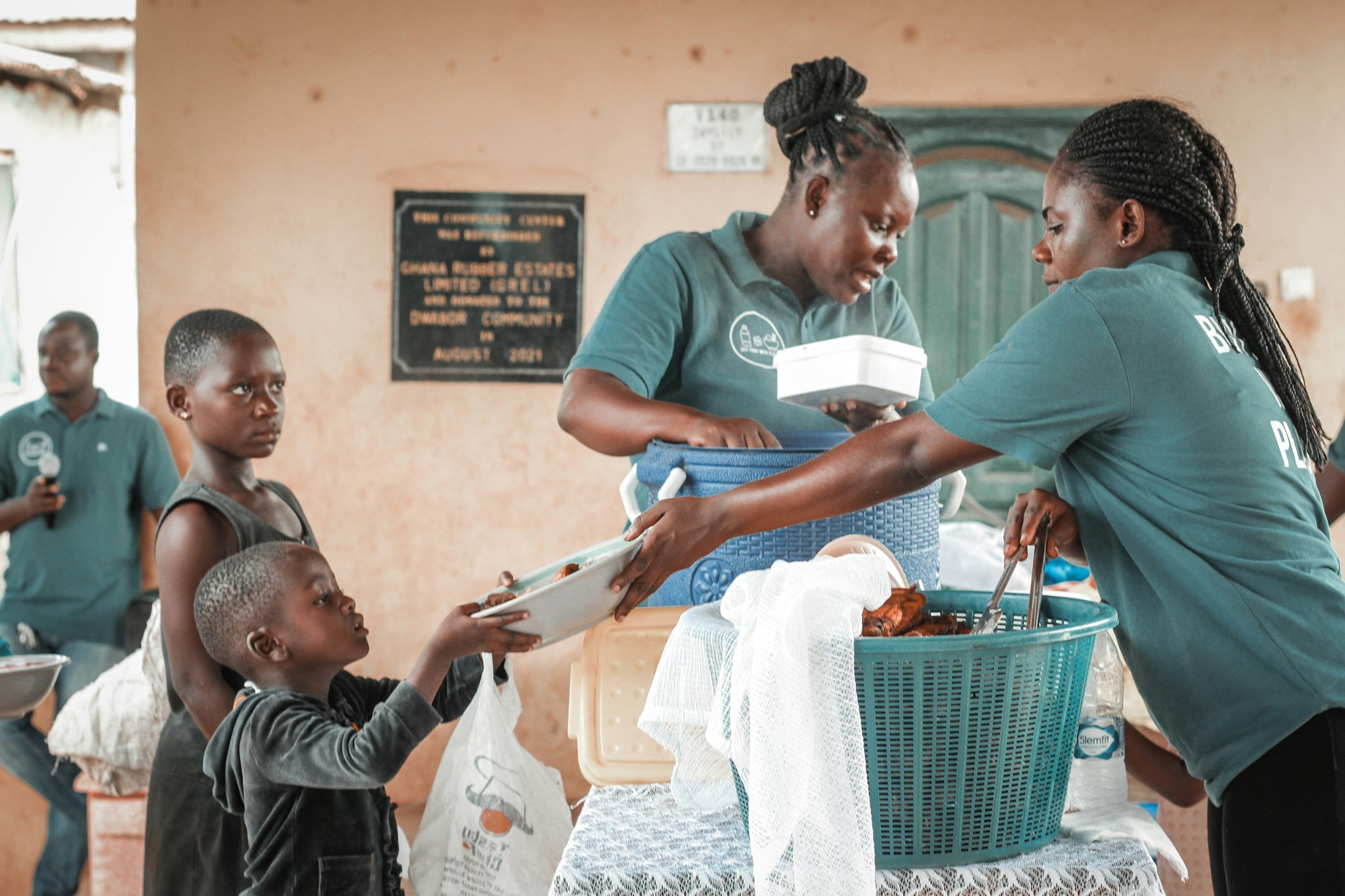
Dubai Care’s Barbara Bedike makes the case for climate-conscious investment in community nutrition
Thursday, 05 March 2026
The simple act of sharing a meal at school often evokes cherished memories. Yet the significance of school meals extends far beyond nostalgia: they are a critical support system for children’s health, social development, and learning outcomes.
School meal programmes were first introduced in developed countries in the late nineteenth century to combat malnutrition and poor academic performance. By the mid-twentieth century, they expanded to developing countries, led by the World Food Programme (WFP), to address hunger and improve school attendance in communities affected by poverty. Over time, these programmes proved to be one of the most powerful investments at the intersection of education, health, and social protection.
In the early 2000s, a new model emerged: Home-Grown School Feeding (HGSF). By sourcing food locally, it linked classrooms to farms and livelihoods, strengthening communities while improving nutrition.
Countries such as Ghana, Kenya, and Malawi demonstrated its transformative potential. Attendance rose, learning outcomes improved, and local farmers gained stable markets. What began as a response to hunger evolved into a holistic approach that nourished children, communities, and economies simultaneously.
By 2020, national school feeding programs had become the largest social safety net in the world, reaching more children than any other public intervention. Yet the Covid-19 pandemic exposed how fragile this system could be.
Almost overnight, school closures cut off access to meals for millions of children who depended on them as their only reliable source of nutrition. The human cost was immediate and severe. Hunger surged, learning suffered, and the most vulnerable children fell further behind.
Recognising the urgent need for coordinated global action, Dubai Cares was among the entities to provide a founding grant in 2021 to establish the School Meals Coalition, hosted by the WFP. The initiative’s ambition was clear: ensure that every child has access to a healthy, nutritious school meal by 2030.
That same year marked a turning point in my own work as I took on responsibility for Dubai Cares’ School Health and Nutrition portfolio, now the organisation’s second largest in terms of financial commitment and reach. Through this role, I have seen firsthand how school meals can transform not only children’s lives but entire systems when delivered with intention and scale.
Today, approximately 466 million children benefit from school meals globally, supported by an estimated 7.4 million cooks and backed by an annual investment of around US$84 billion.
Yet we are once again at a crossroads. Climate change is placing unprecedented strain on global food systems. Rising temperatures, erratic rainfall, and extreme weather events are reducing crop yields, increasing prices, and pushing vulnerable communities deeper into food insecurity.
In Kenya, prolonged drought between 2022 and 2023 devastated crops and livestock. In Bangladesh, severe flooding in 2024 displaced communities and disrupted access to food. These are not abstract environmental shifts. They are daily realities that determine whether a child eats, learns, or goes hungry. When food systems falter, children bear the heaviest burden.
During a recent field visit to India, I met young women enrolled in vocational training programs in Jharkhand. Once a fertile agricultural region, it now faces declining rainfall and shrinking yields due to climate change. The institute’s principal shared a sobering reality: many students were physically stunted as a result of chronic childhood malnutrition.
This was not only affecting their health but also their confidence, physical stamina, and future employment prospects. The impact of inadequate nutrition does not end in childhood. It shapes opportunities, earning potential, and self-belief for a lifetime.
Today’s food systems today are failing both people and the planet; from production to consumption, the way food is grown, prepared, and distributed contributes significantly to environmental degradation and poor health outcomes.
Recognising the close link between education, nutrition, and climate action, Dubai Cares hosted the second RewirEd Summit at COP28 in Dubai in 2023. For the first time in history, a global climate summit dedicated a full day to education.
During the summit, the School Meals Coalition presented an evidence-based study led by Professor Donald Bundy highlighting the role school meals can play not only in improving learning outcomes but also in advancing climate and sustainability goals.
The study outlined practical, planet-friendly school meals solutions to reduce the environmental footprint of food systems. These included shifting menus toward more plant-based options, reducing food waste, adopting energy-efficient cooking methods, encouraging farmers to grow indigenous and climate-resilient crops, and shaping children’s food preferences through education.
Encouragingly, countries such as Kenya, Rwanda, and Sierra Leone committed at RewirEd Summit to advancing these approaches, signalling growing political will to rethink school feeding through a climate lens.
Changing is already happening at community level already and Dubai Cares’ Ramadan campaign, Feed a Child, Build a Kitchen, is helping to sustain that.
While many feeding initiatives focus primarily on meal provision, the Adopt a Kitchen program in Kenya invests in building and equipping school kitchens, creating the infrastructure that enables communities to prepare and serve nutritious food sustainably and at scale.
By establishing permanent kitchen facilities, the model strengthens local ownership, creates local jobs, and ensures that school feeding programmes can operate reliably and independently.
Our implementing partner in Kenya, Food4Education, is leading the way in advancing planet-friendly school meals. Through its innovative Tap2Eat smart wristband technology, the programme tracks meal delivery in real time, streamlines payments, and significantly reduces food waste by ensuring meals are prepared and distributed according to actual demand.
Eighty percent of ingredients are locally sourced and 100 percent are Kenyan-grown, directly supporting local farmers and sustainable agriculture. Menus are climate-smart, designed around seasonal produce to minimise environmental impact, and schools have transitioned from open wood fires to eco-briquettes and clean cooking solutions, reducing emissions while improving the health and working conditions of the cooks.
A simple breakfast of porridge for early learners and a hot lunch of rice, beans, and vegetables for primary and secondary students has transformed daily life for thousands of children. Teachers recall when students left school midday in search of food or fainted in class from hunger. Today, attendance has stabilised, concentration has improved, and children remain in school throughout the day.
Today, nearly 2.5 million children in Kenya receive a daily school meal. The impact reaches far beyond the classroom. Cooks gain dignified employment, local farmers benefit from reliable markets, and many of these opportunities are held by women. Families experience greater stability, and entire communities are strengthened. School meals don’t just nourish children; they create ecosystems of opportunity.
Despite this progress, the global challenge remains immense. Nearly one quarter of the world’s population is under the age of fifteen. If children do not receive adequate nutrition early in life, we risk raising a generation constrained by poor health, reduced learning, and limited economic opportunity. The human cost of inaction will not only be measured in statistics but in lost potential and unrealised futures.
Planet-friendly school meals offer a rare opportunity to address multiple global challenges at once. They nourish children, strengthen local food systems, support livelihoods, and contribute to environmental sustainability. Few interventions deliver such far-reaching impact across education, health, climate, and economic resilience.
Investing in planet-friendly school meals is not simply about feeding children. It is about safeguarding their futures and the future of our planet. Governments, donors, and private sector partners must now scale what works. By prioritising nutritious, sustainable school feeding programs, we can build healthier generations, more resilient communities, and food systems that work for both people and the planet.
This Ramadan, Dubai Cares is translating this vision into action through its Feed a Child, Build a Kitchen campaign, calling on the UAE community to play an active role in creating sustainable school feeding solutions.
By investing not only in meals but also in the kitchen infrastructure that makes them possible, the campaign helps ensure that nutritious food can be prepared and delivered reliably and sustainably.
With ample ways to give, whether through individual donations, community fundraising, or corporate adoption of school kitchens, every contribution can help build healthier futures for children while supporting climate‑smart food systems.
"Climate change is placing unprecedented strain on global food systems."
"School meals don’t just nourish children; they create ecosystems of opportunity."



It's a good idea to use a strong password that you're not using elsewhere.
Remember password? Login here
Our content is free but you need to subscribe to unlock full access to our site.
Already subscribed? Login here