Rebuilding lives
Dr Ghassan Abu Sittah on why Gaza’s child amputees need a holistic rehabilitation plan and how philanthropy can help
Tuesday, 27 January 2026
Dr Ghassan Abu Sittah on why Gaza’s child amputees need a holistic rehabilitation plan and how philanthropy can help
Tuesday, 27 January 2026
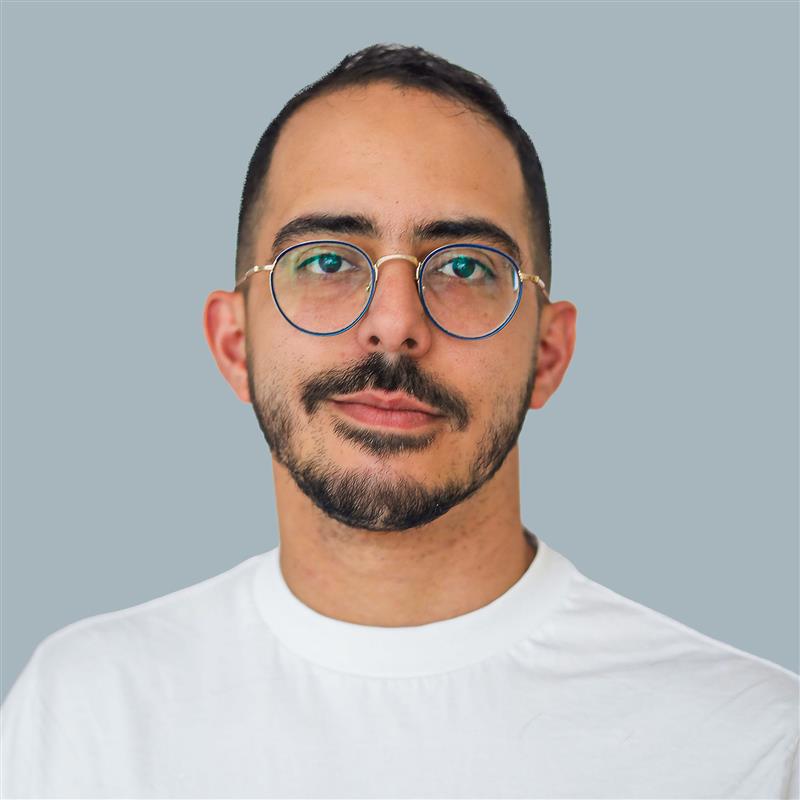
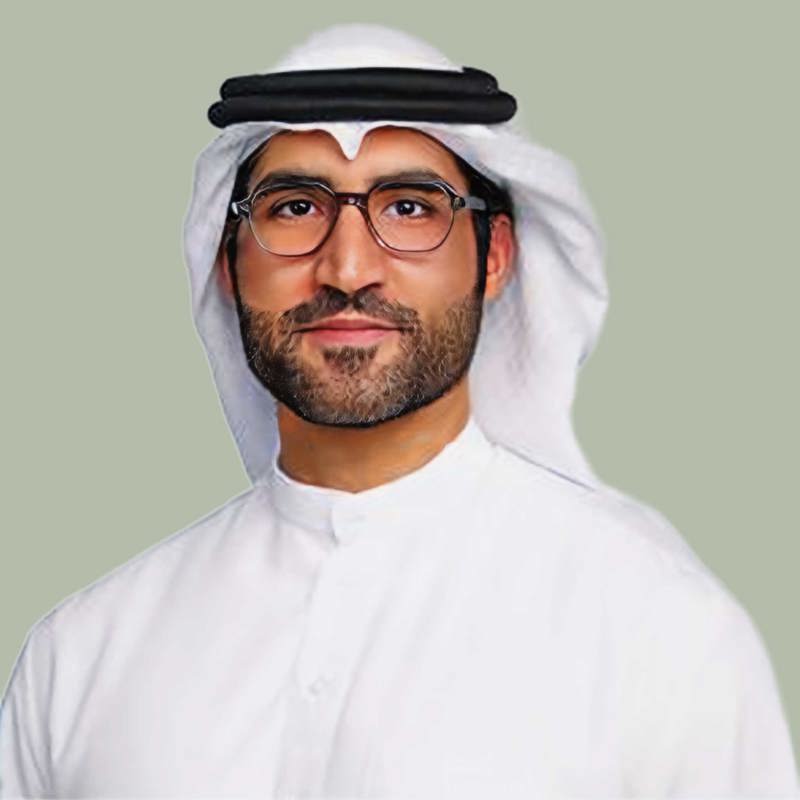
 Ghassan Abu-Sittah is a British-Palestinian plastic, reconstructive and aesthetic surgeon. He is: Lord Rector, University of Glasgow; Professor of Surgery, American University of Beirut; Chair of Conflict Medicine, American University of Beirut; Director, Conflict Medicine Program, Global Health Institute, American University of Beirut; Adjunct Professor, School of Medicine, Trinity College Dublin; Honorary Senior Lecturer, Center for Blast Injury Studies, Imperial College London University; Visiting Senior Lecturer, Conflict & Health Research Group, Faculty of Life Sciences and Medicine, King's College London University. Prof Abu-Sittah has worked as a conflict surgeon in Yemen, Iraq, Syria, South Lebanon, and Gaza, spending 43 days there in 2023 after the October 7 attack.
When a child loses a limb in war, the injury is not just physical; it is psychological, emotional, social, and, in many cases, existential. Their world collapses in an instant. Often their home has also been destroyed, their parents killed, and their siblings lost.
Unless we address all these dimensions together, we will fail these children.
For decades, I have worked in war zones and conflict-affected communities, and one lesson stands out: there is no magic bullet. Not a prosthetic lab, not a 3D printer, not a single heroic project.
What is needed is an integrated, ecology-based approach, a system that connects surgery, prosthetics, rehabilitation, mental health, education, and reintegration into a coherent pathway of care.
Treating an injury that leads to amputation is a journey. It starts with surgery, then moves to reconstruction, then to the initial prosthetic, then rehabilitation, and finally reintegration. If any part of that pathway is interrupted, the rest becomes redundant.
If the surgery to produce the stump is not done properly, ill-fitting prostheses and pain will lead to prosthetics sitting in cupboards and children back in wheelchairs. If the prosthetic is not adapted to Gaza’s terrain, the child will abandon it.
Moreover, if rehabilitation is not done properly, secondary injury to the other limb begins. And if reintegration, such as schooling and psychosocial support, is ignored, the child remains isolated.
We have seen this time and again, where children have been given multiple prosthetics by different NGOs, but they have not used them because they were too painful or too heavy. This is what happens when interventions are siloed. We need a matrix of support, not disconnected projects.
This is why I am so pleased that two Palestinian philanthropies, Taawon and the Munib & Angela Masri Foundation, along with the Global Health Institute at the American University of Beirut, (in coordination with the Palestinian Ministry of Health and the WHO oPt), have launched a joint initiative aiming to establish a 20-year roadmap to rebuild Gaza’s rehabilitation system.
Gaza Rehab Care is a holistic rehabilitation programme for war amputees in Gaza. It is not about one intervention; it is about building a system of care that lasts a lifetime.
Through the Ghassan Abu Sittah Children’s Fund (GASCF), in partnership with the Palestine Children's Relief Fund (PCRF), we have already brought 30 injured children from Gaza, via Egypt, to the American University of Beirut Medical Center (AUBMC) for treatment.
Lebanon has been treating war-wounded for decades, from the Lebanese Civil War to Israeli attacks, the bombings in Iraq, and the Syrian Civil War. AUBMC’s expertise in dealing with complex injuries is second to none, and the wider Lebanese health system has also been shaped by repeated wars, with NGOs and other volunteer organisations well-equipped to be able to offer rehabilitation and psychosocial support.
The children we are seeing from Gaza require multiple surgeries because their injuries are complex. We are also providing mental health support and homeschooling between surgeries, and ensuring accompanying adults receive psychosocial care.
Before the war, Gaza had eight prosthetists serving 2,000 amputees. Today, there are between 5,000 and 6,500 amputees, including hundreds of children.
Each child needs a new prosthetic every six to nine months as they grow. These are lifelong injuries requiring lifelong intervention.
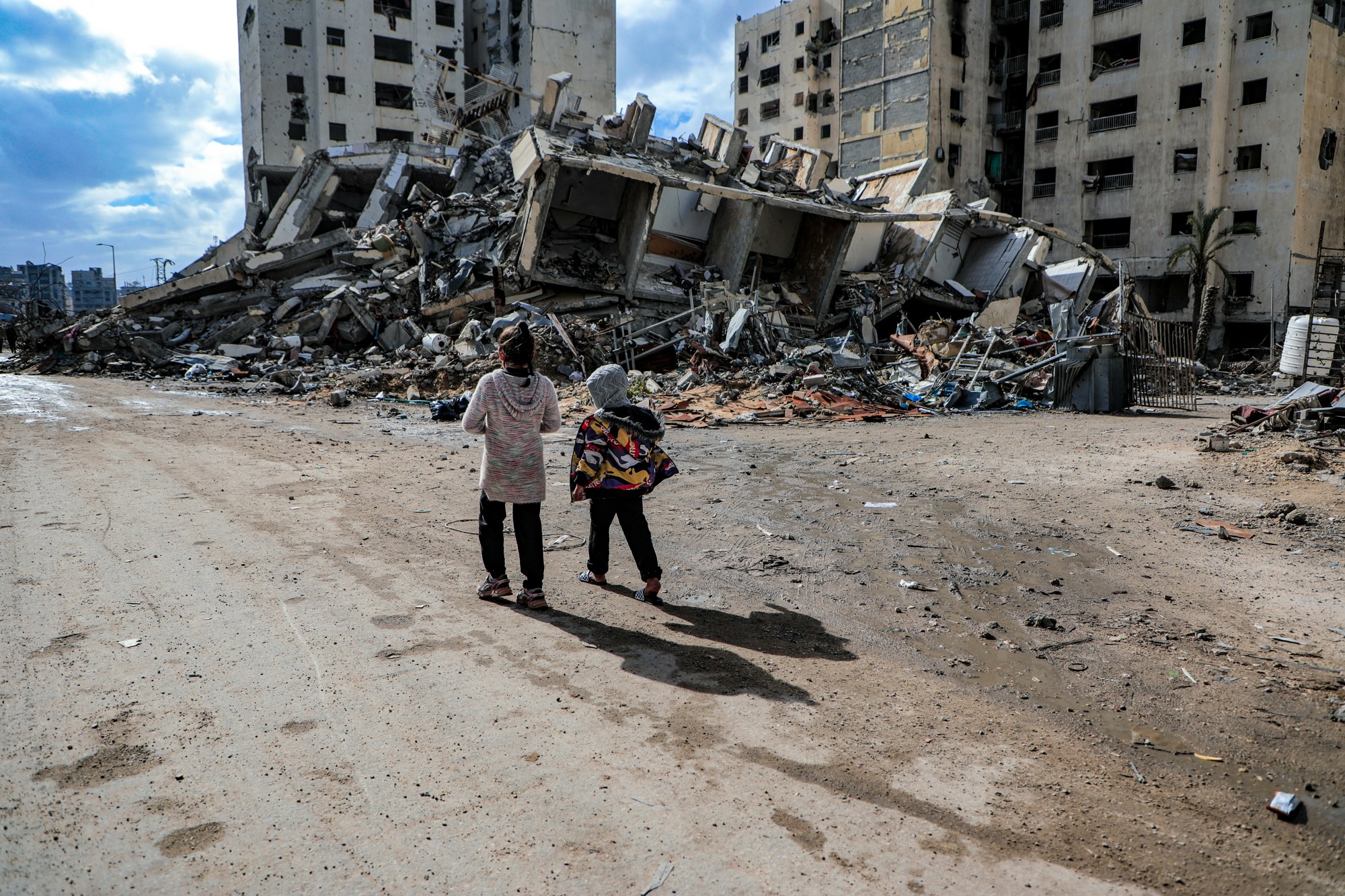
After two years of Israeli bombardment, Gaza’s health system is shattered, and its hospitals lie in ruins. Access is also an issue. Even now, after a ceasefire, we cannot get essential medical supplies into Gaza. The siege is suffocating.
The magnitude of this catastrophe is beyond anything anyone has experienced. No single entity, no matter how large, can solve this alone.
"There is no magic bullet. There is only the hard, patient work of building systems that give Gaza’s children a chance, not just to walk again, but to live again."
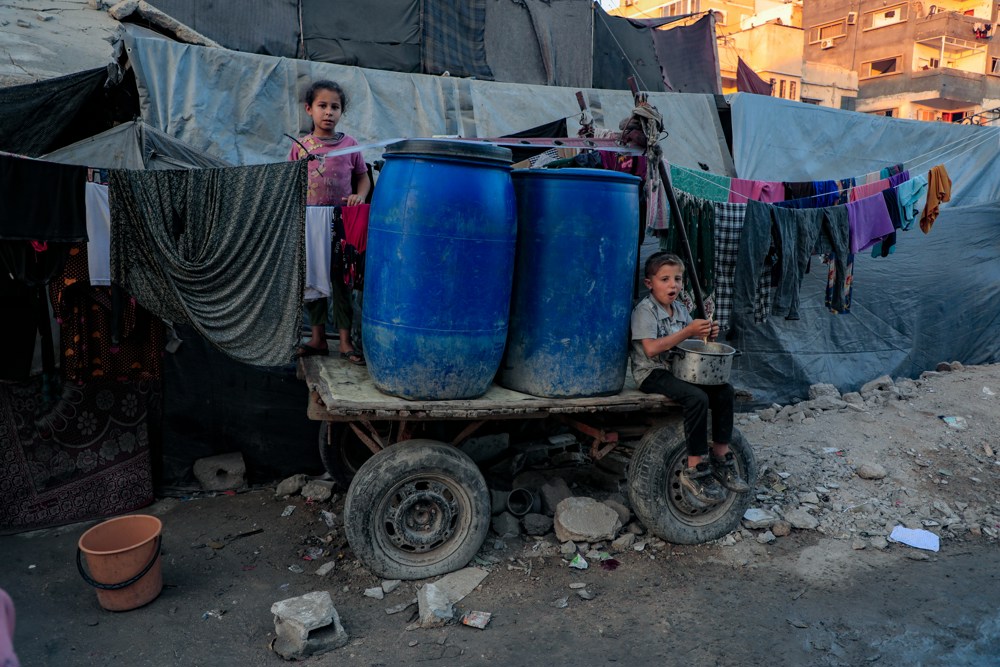
Photo:Mohammed Ibrahim, UnSplash
Given the fragmentation of the health system, it is vital to create a cloud-based electronic health record to ensure continuity of care and prevent children from falling through the cracks.
Our teams on the ground in Gaza report that as many as 1,000 amputees still need surgery before they can even consider prosthetic fitting. Without good data and coordination, these children will be forgotten.
We are creating a plan grounded in knowledge collected from everyone in the process, then connecting this information together to form a coordinating body that manages the pathway and ensures that surgery, prosthetics, rehabilitation, mental health, and education are all integrated.
Funding individual projects will never solve this. We need funding ecologies, coordinated by bodies like the one we are proposing, that allow long-term sustainability and integrated services.
We want donors to fund into a pooled mechanism that works with all players and stakeholders to produce an integrated service.
Health sovereignty is also critical. Palestinian-led efforts must guide this process because of the complexity on the ground, including what materials can enter Gaza, what capacity exists, and what patients need.
Nobody has experience dealing with something of this magnitude. The scale of injury, the destruction of the health system, the fragmentation, it is beyond anything we have seen. And yet, we must start somewhere, and so we will.
Working together, we can create systems of care and rehabilitation in Gaza, rather than pinpoint interventions that are siloed, short-term, top-down, and prone to failure.
We invite donors, foundations, and governments to join us in creating this integrated, ecology-based rehabilitation programme. Fund systems, not silos. Invest in long-term care, not short-term fixes. Help us build a future where a child’s injury does not define their life.
There is no magic bullet. There is only the hard, patient work of building systems that give Gaza’s children a chance, not just to walk again, but to live again.
It's a good idea to use a strong password that you're not using elsewhere.
Remember password? Login here
Our content is free but you need to subscribe to unlock full access to our site.
Already subscribed? Login here
Sign in to access all of our content and resources.
Not subscribed? Register here. Forgotten your password? Reset here
Simply provide your email, and we'll send you a link to reset your password.
Remember password? Login here