Climate goals
New framework to help Arab philanthropy turn commitments into action
Friday, 06 February 2026
New framework to help Arab philanthropy turn commitments into action
Friday, 06 February 2026
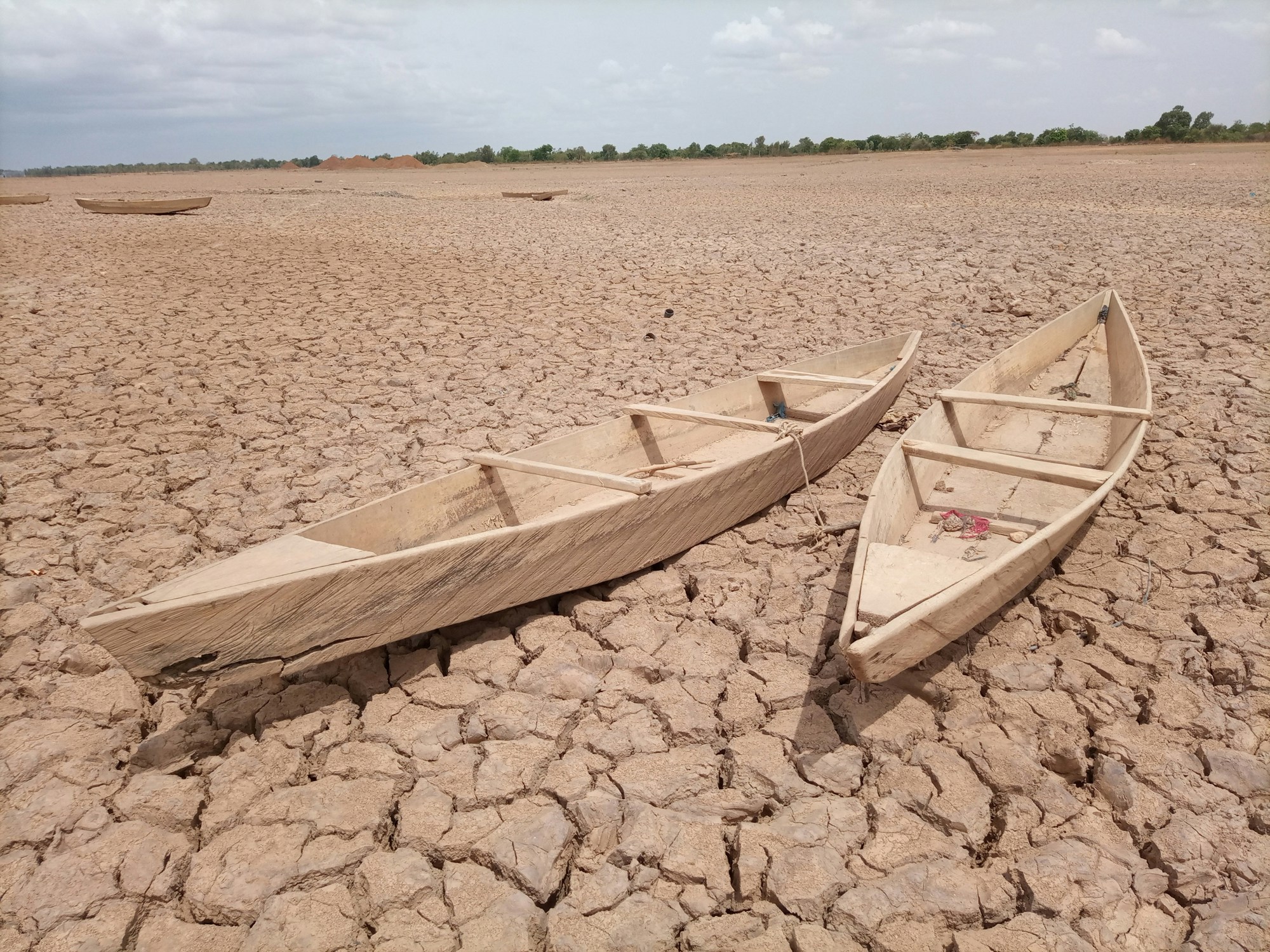
The Arab region is warming nearly twice as fast as the global average, yet receives less than five percent of global climate finance—a stark mismatch that underscores the urgent need for locally driven, flexible, and catalytic funding approaches.
While philanthropy represents only a small share of global climate finance, its unique value lies in its ability to pilot innovation, de‑risk emerging models, and support community‑level action. To help philanthropic organisations across the Arab world move from commitment to measurable climate impact, the Arab Foundations Forum (AFF), in partnership with WINGS, has launched the Arab Philanthropy Commitment on Climate Change (APCCC) Implementation Guide.
“Philanthropy has a critical role to play in accelerating climate action by convening actors, testing new models, and supporting locally grounded solutions,” said AFF CEO Naila Farouky. “The APCCC Implementation Guide provides a practical roadmap for organisations across the region to embed climate considerations into their strategies and operations in a way that is realistic, collaborative, and impact-driven.”
First announced at COP29 in Baku, Azerbaijan, the APCCC is the region’s first tailored framework designed to strengthen collaboration, learning, and implementation across Arab philanthropy.
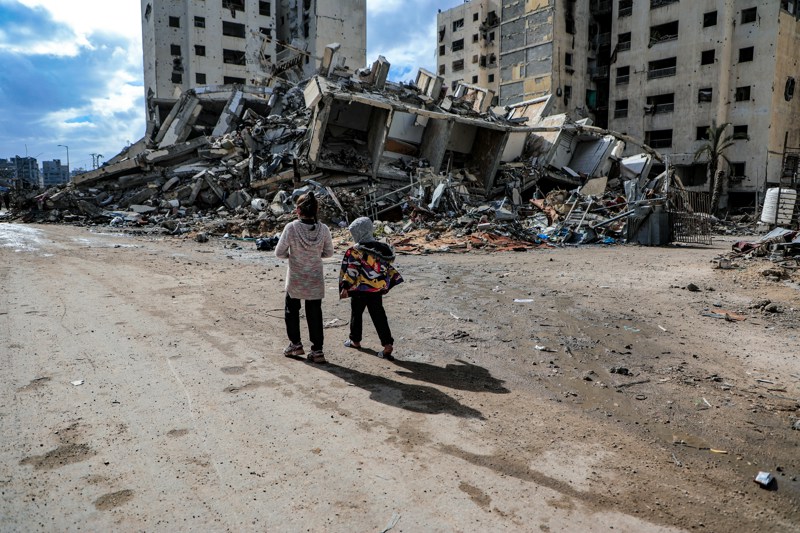
Unlike global toolkits, the new Implementation Guide is explicitly grounded in regional operational realities, including fragile contexts, humanitarian settings, and development‑oriented philanthropy. It offers adaptable pathways rather than one-size-fits-all recommendations, enabling organisations to advance climate action no matter their starting point.
Structured around seven core pillars, the Guide outlines practical ways for organisations to integrate climate considerations into governance, programming, partnerships, monitoring and learning systems, and long‑term strategy.
"Philanthropy has a critical role to play in accelerating climate action by convening actors, testing new models, and supporting locally grounded solutions."
Naila Farouky, CEO, Arab Foundations Forum
Several philanthropic and development organisations in the region are already using the Guide to strengthen their climate response, including Mercy Corps, which has embedded climate considerations across core outcome areas in its MENA portfolio, including food systems, water security, humanitarian response, economic opportunity, and peacebuilding, positioning climate as a cross-cutting driver of vulnerability and resilience.
The NGO has also strengthened institutional capacity through staff training, sustainability reporting, operational footprint reduction measures, and active engagement in global climate policy processes, including COP platforms.
The King Hussein Foundation, meanwhile, has operationalised climate action through its Community Resilience Model, integrating climate risk assessments and adaptation measures across its programmes.
According to Mays Abou Hegab, deputy executive director at Egypt’s Sawiris Foundation for Social Development, “Climate change remains one of the most serious development risks facing our region. Over the past year, and guided by our commitment to the APCCC, we embarked on a focused learning journey to better define how we operate and fund as an evidence-based philanthropy in the Arab world.”
The APCCC is hosted by the Arab Foundations Forum with support from WINGS and the Ford Foundation. It was developed by a Working Group whose members are committed to implementing and advocating for sustainable, equitable climate action. Members include: American Friends Service Committee; Asfari Foundation; END Fund; Greenpeace; the Halo Trust; Impatience Earth; International Medical Corps; Jordan River Foundation; King Hussein Foundation; Mercy Corps; Sawiris Foundation; and the WHO Foundation.



It's a good idea to use a strong password that you're not using elsewhere.
Remember password? Login here
Our content is free but you need to subscribe to unlock full access to our site.
Already subscribed? Login here