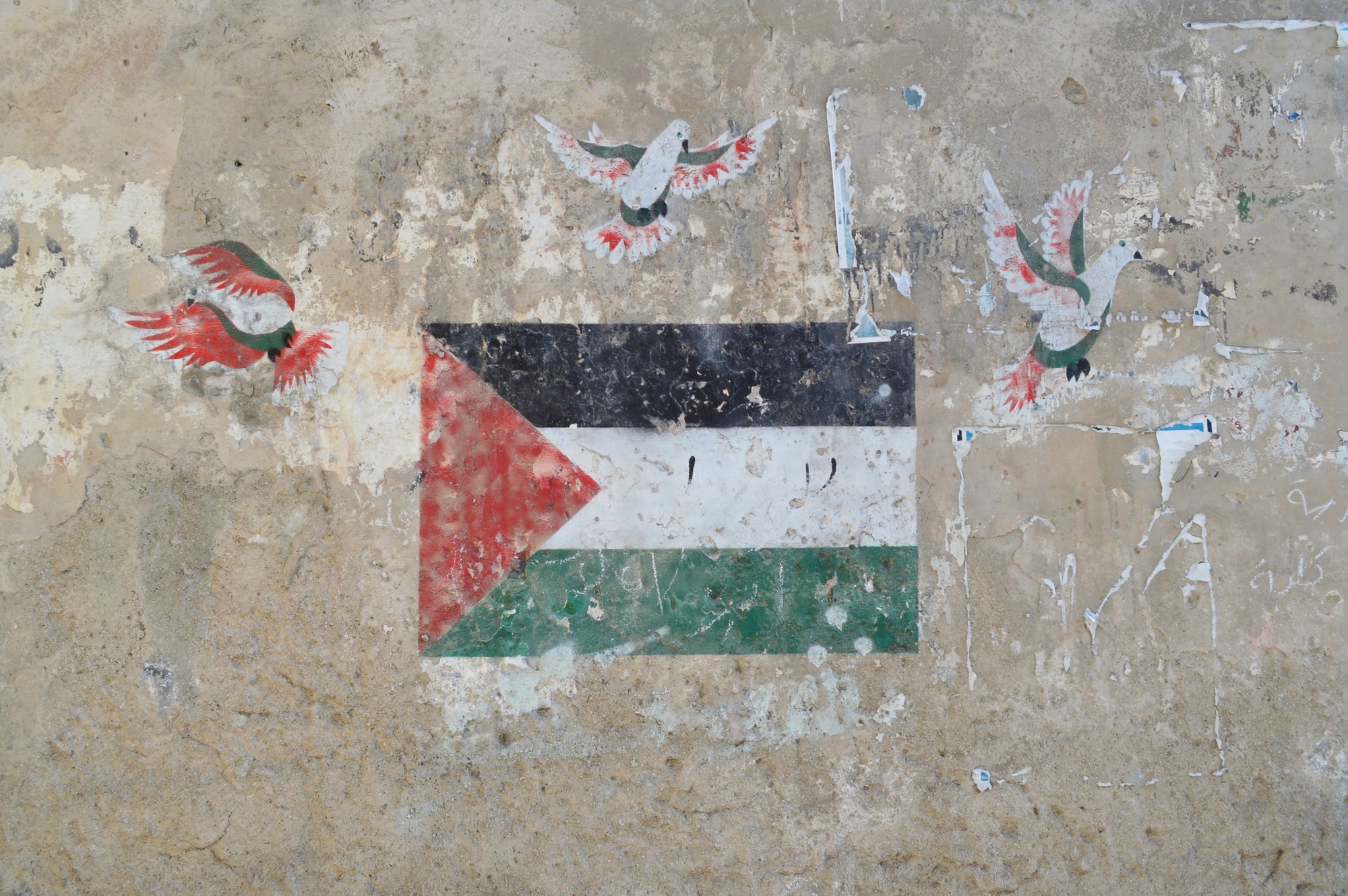
A centre for Palestinian Studies is to be established at the University of Sharjah (UoS) to “safeguard the historical narrative, foster research, and nurture generations of students who recognise the enduring truth of history”.
Sheikha Jawaher Al Qasimi announced the creation of the Jawaher Al Qasimi Chair for Palestinian Studies at UoS’s Research Institute of Humanities and Social Studies and the creation of the Palestinian Legacy Fund.
The chair will fund scholarly projects that preserve the cultural identity and both the tangible and intangible heritage of the Palestinian people and will pave the way for the creation of the Jawaher Al Qasimi Centre for Palestinian Studies at UoS, which aims to become a regional hub for Palestinian culture.
The Palestinian Legacy Fund, meanwhile, will offer scholarships to Palestinian students and support future research centres, exchange programmes, and international opportunities.
Making the announcement at the Inaugural Sharjah Human Development Forum, Sheikha Jawaher Al Qasimi said: “As humanitarian tragedies in Palestine worsen – what we see in Gaza and the West Bank in terms of suffering, injustice, and destruction – and as global crises grow with rising numbers of refugees and displaced people, and the prioritisation of needs becomes blurred, we felt it our duty to do what we can to preserve the Palestinian human legacy.”
"We felt it our duty to do what we can to preserve the Palestinian human legacy."
Sheikha Jawaher Al Qasimi
The Sharjah Human Development Forum seeks to promote strategic thinking in humanitarian work as a basis for building resilient and capable communities.
In a session titled “Humanity and Heritage in Palestine”, Badr Jafar, CEO of Crescent Enterprises, moderated a panel discussion with Professor Ghassan Abu Sittah, programme director of the Conflict Medicine Programme at the Institute for Global Health; Shatha Safi, director of Riwaq Centre for Architectural Conservation; and Dr Reem El Mutwalli, an art, architecture, and heritage consultant of the Zay Initiative.
“War tries to destroy the present to control the future, while genocide erases both the present and the past to prevent the future entirely,” noted
Dr Abu Sittah. “We’ve seen historic sites and universities destroyed, and academics killed. Children suffer in every sense: physically, psychologically, socially, mentally, and existentially. Their entire view of life shifts.”
On the sidelines of the forum was an exhibition featuring works from the Sharjah Art Foundation’s collection by seven artists reflecting on the Palestinian experience of exile, resistance, and legacy. The artists featured were: Abdel Hay Mosallam Zarara; Hazem Harb; Kamal Youssef; Khalil Rabah; Mona Hatoum; Mona Saudi; and Samia Halaby.