The Khalid bin Sultan Al Qasimi Humanitarian Foundation (KSQF) from Sharjah has announced a strategic partnership with UNICEF to back a pioneering project in the Democratic Republic of the Congo (DRC) to help children exploited in the informal mining sector.
The initiative aims to remove 200 children currently working in artisanal mins in the Haut Katanga province of DRC by establishing holistic, community-led systems to prevent exploitation.
It will do this by allocating cash transfers and livelihood support to 100 households, and providing specialist training on child protection to teachers, health and social workers, and other community leaders to prevent future exploitation.
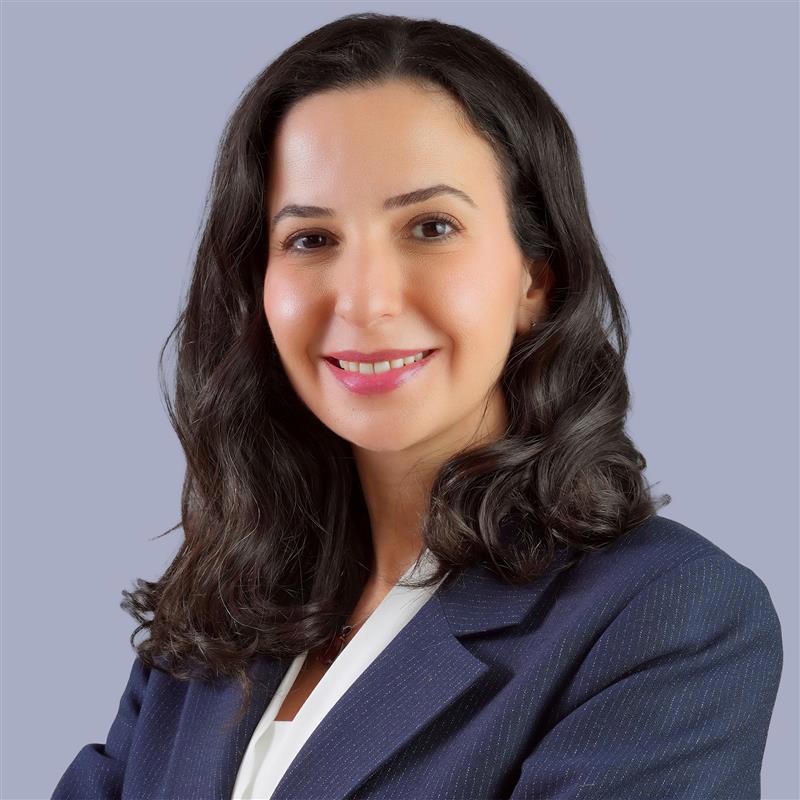
“This project with UNICEF is not simply an intervention - it is an urgent call to action to protect children, empower families, and build systems that meet the highest international standards of child protection,” said Lujan Mourad, director of KSQF.
Children working in the informal mining sector are exposed to toxic dust, hazardous machinery, risk of collapse, and violence. Many earn as little as $1–$3 per day, income considered essential for household survival, but in return, they are robbed of a chance to get an education and build a future.
International agencies classify mining-related child labour as one of the worst forms of child exploitation, given its immediate risks and long-term consequences, including chronic illness, disability, and intergenerational poverty.
The Democratic Republic of Congo (DRC) supplies more than 75percent of the world’s cobalt, copper, and other minerals essential for the global energy transition, from electric vehicle batteries to renewable energy storage.
But this output carries a heavy human cost to the lives of millions of children in the DRC.
According to the latest available data, close to one fifth of Congolese children are engaged in economic activities and more than 10% are operating under dangerous conditions, pulling heavy loads and in toxic environments, like mines.
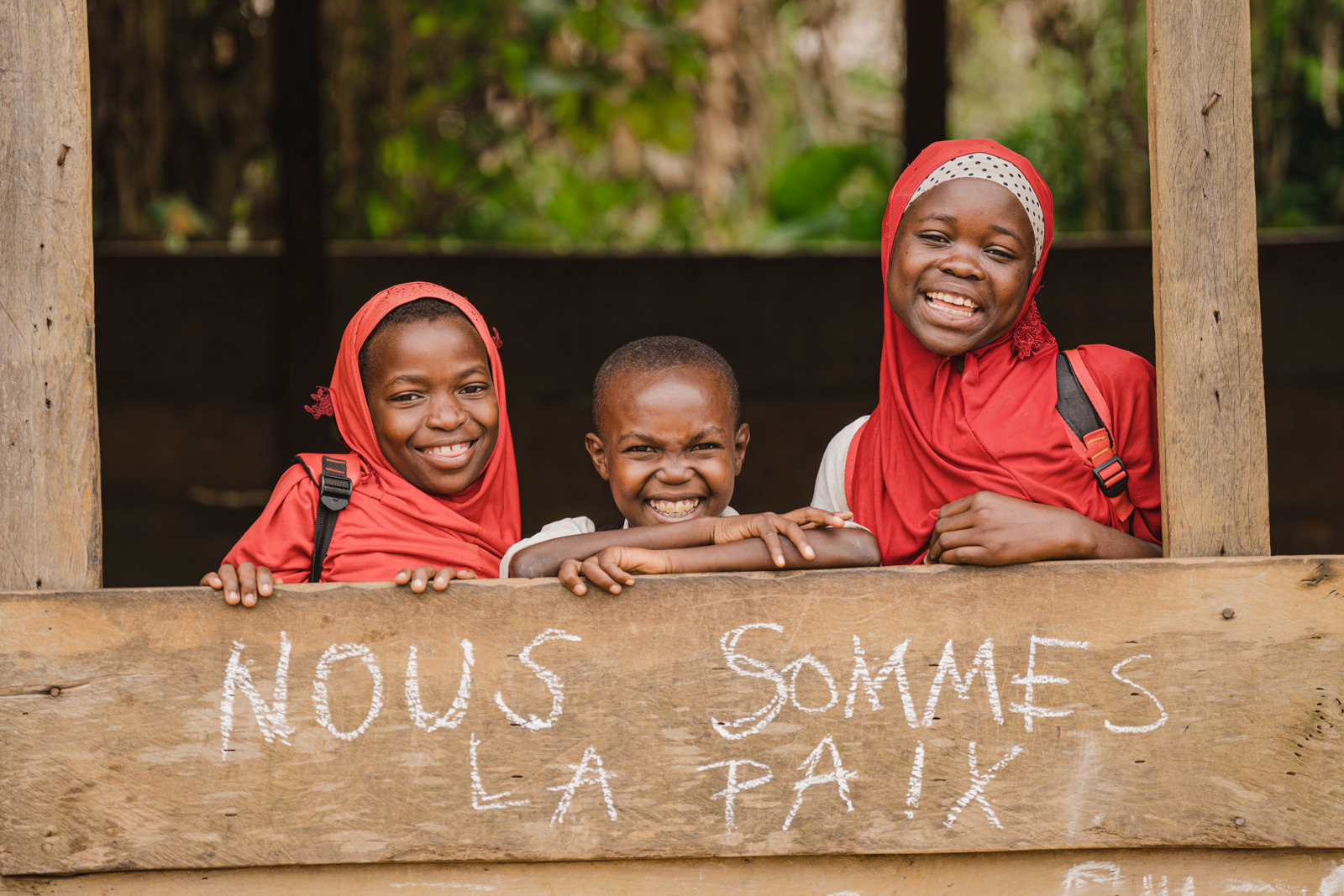
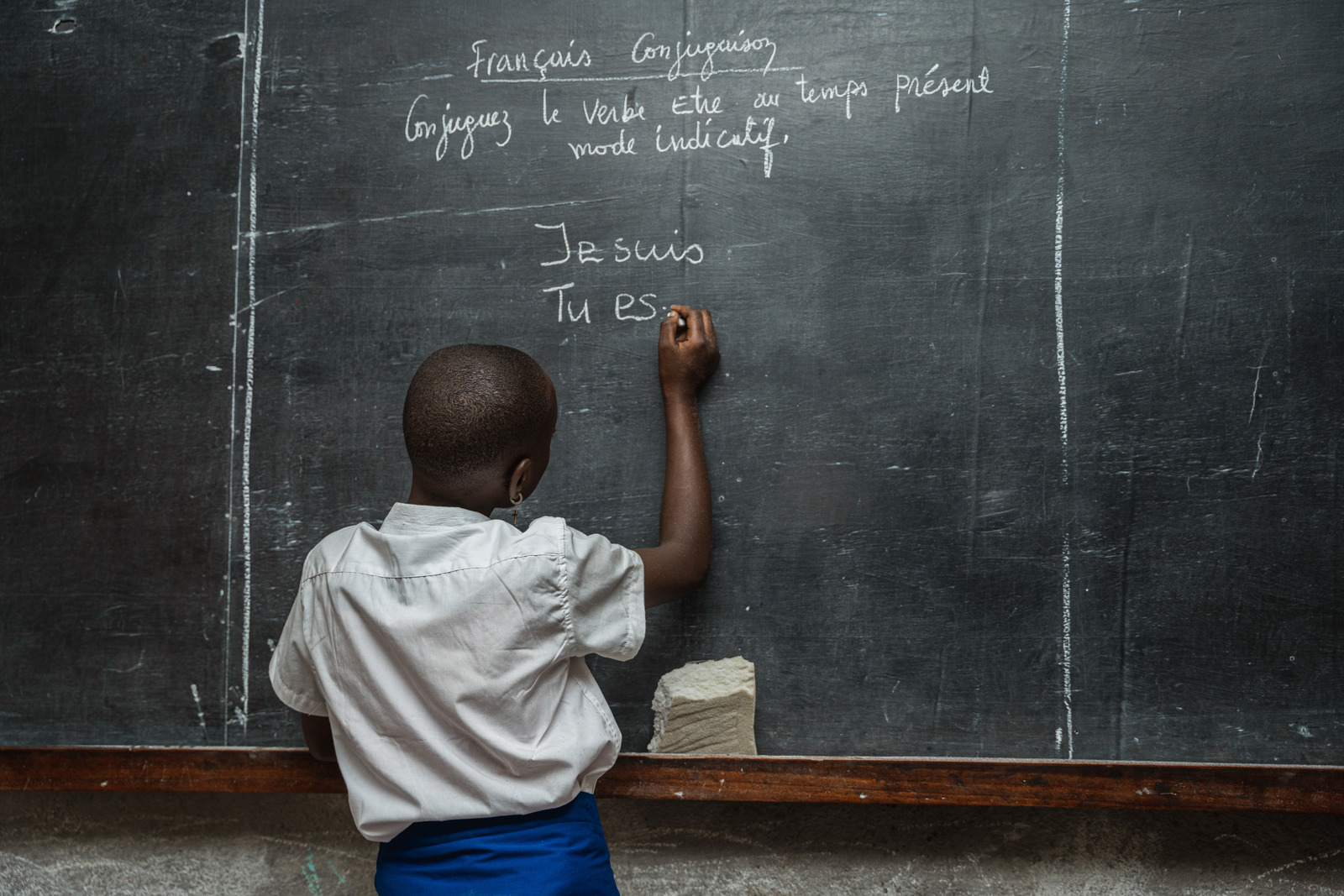
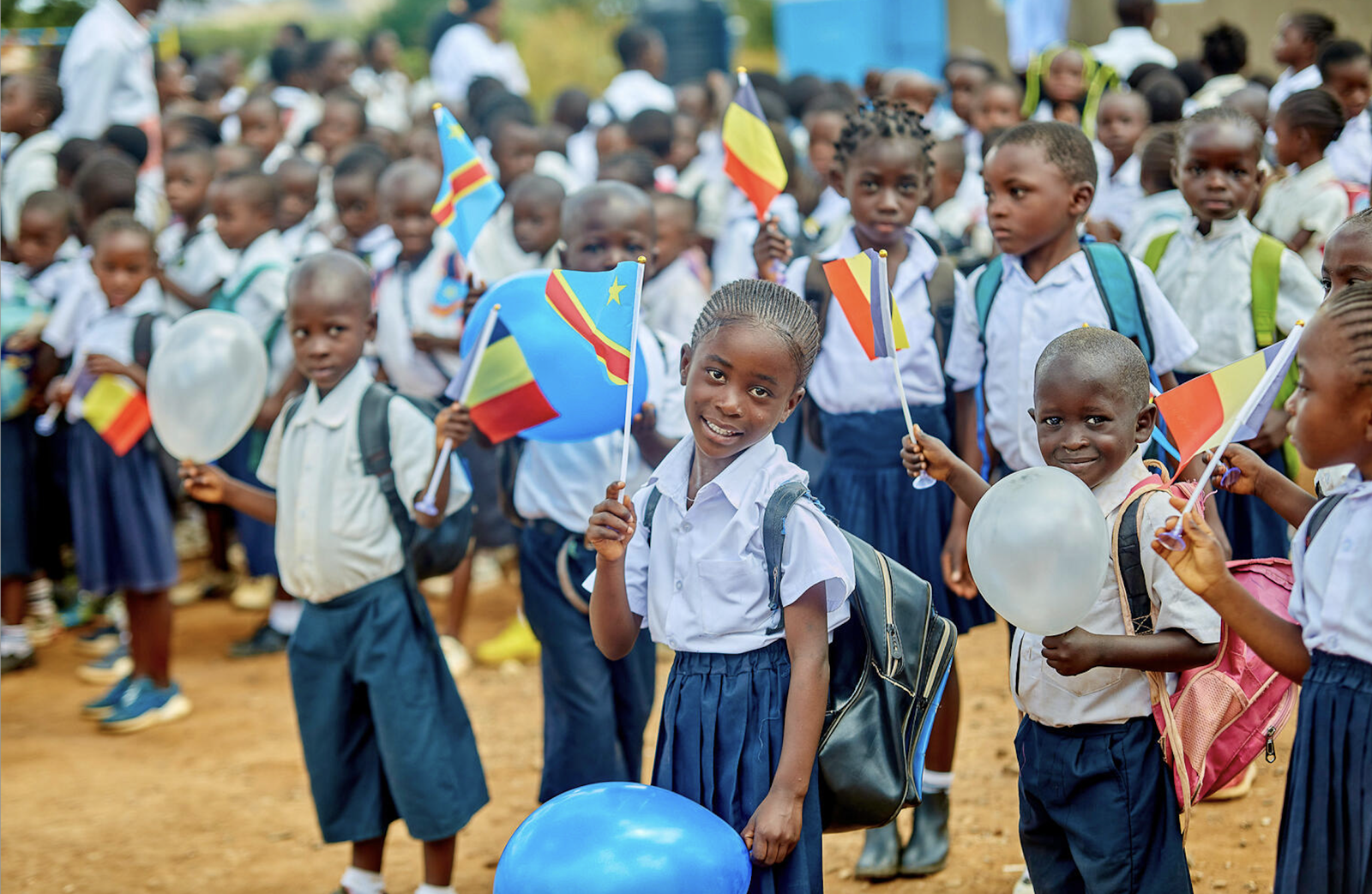
One in five children in the DRC are forced into economic activities, taking them out of school and putting them at risk of injury and health issues.
“This project is not simply an intervention - it is an urgent call to action to protect children and empower families."
Lujan Mourad, director, Khalid bin Sultan Al Qasimi Humanitarian Foundation (KSQF)
Resident representative for UNICEF in the DRC, John Agbor, said: “This project is a powerful example of how global collaboration can drive sustainable change and bring us closer to achieving international development goals.”
And he added: “With KSQF’s partnership, we will seek to consolidate proven solutions that not only remove children from dangerous labour but also give them education, vocational skills, and the chance to grow in dignity and at the same time strengthen child protection systems alongside the government.”
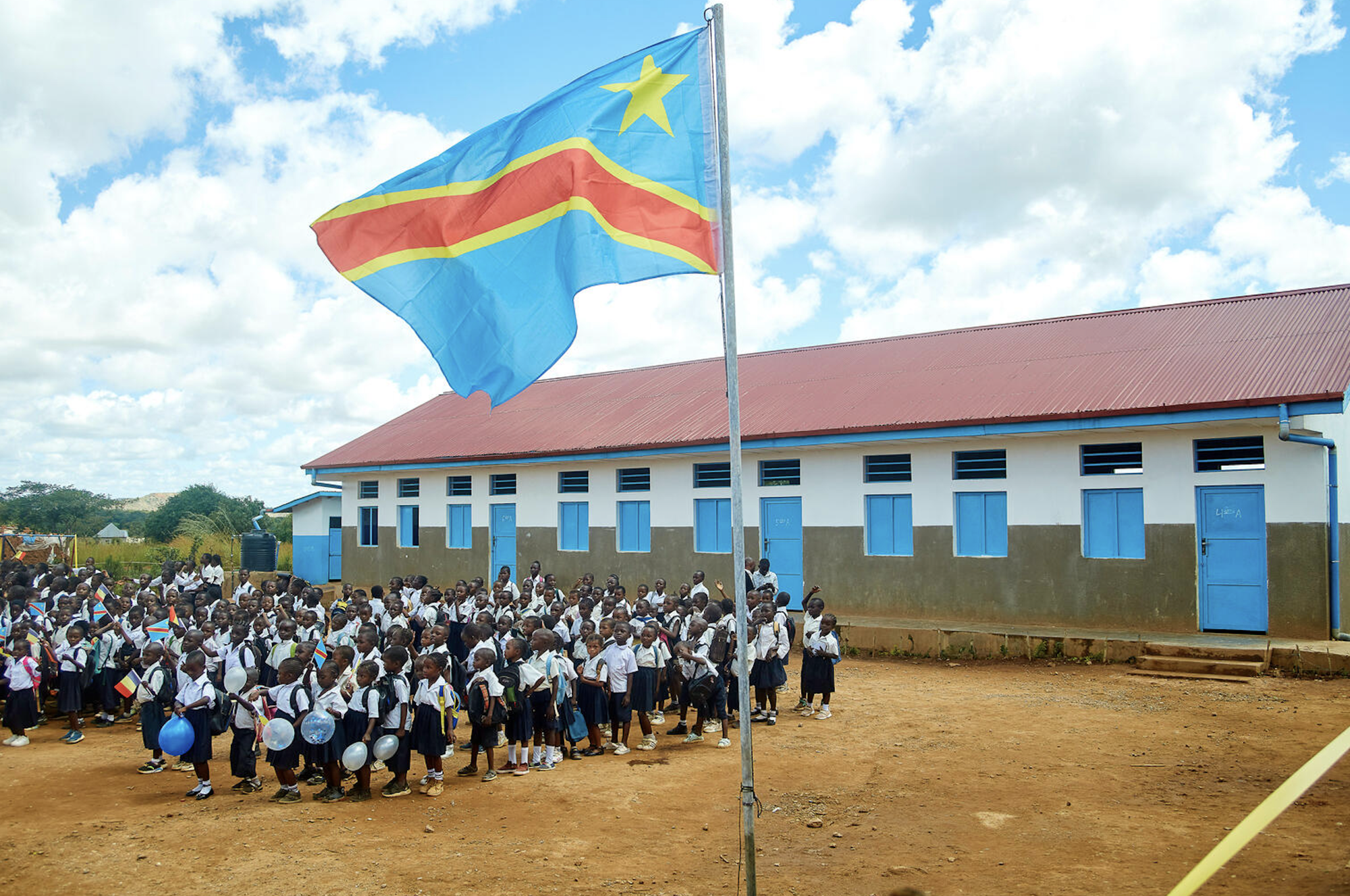
KSQF’s strategic UNICEF Congolese partnership, implemented in the Kambove Health Zone in Haut Katanga province, will directly support more than 200 children. It will do this by helping to remove them from the mining sector through strengthened protection services and expand access to education and vocational pathways.
At the same time, the programme will focus on economically empowering households, delivering monthly cash transfers to 100 families while also providing financial literacy training and support for cooperative-led income-generating activities, to reduce dependency on the meagre earnings that children bring from mines.
To ensure lasting change, the initiative will also seek to drive advocacy and public awareness, raising community and national understanding of the dangers of child labour, engaging child reporters as youth advocates, and building partnerships with the private sector to strengthen accountability and embed young people’s protection within broader development frameworks.
The programme is structured for long-term sustainability. Capacity-building for parasocial workers will assist with ongoing child protection, while household income-generation schemes prevent children from returning to mines. The insights gained will establish a scalable model of child protection, designed for replication across the DRC and in mining regions globally.
The project builds on a UNICEF model called TPS+, which was first piloted in 2023. It identifies vulnerable children, connects them to social services, and supports their families through financial and capacity-building interventions. Through this approach, in 2024 alone, 1,015 children were removed from mines - 599 re-enrolled in schools and 416 placed in vocational programmes. Crucially, none returned to mining.